
| Unique ID | Title and Description |
|---|---|
pdtdbl00071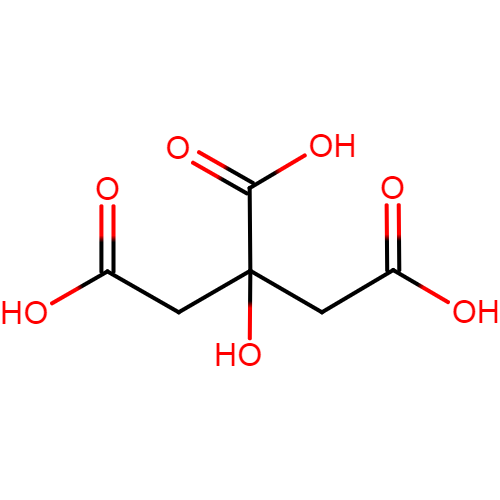 |
Citric acid () Citric acid is a natural preservative which is present in citrus fruits. It is also used to add an acidic or sour taste to foods and drinks. In biochemistry, the conjugate base of citric acid, citrate, is important as an intermediate in the citric acid cycle, which occurs in the metabolism of all aerobic organisms. Citric acid is a commodity chemical, and more than a million tons are produced every year by fermentation. It is used mainly as an acidifier, as a flavoring, and as a chelating agent. Citrate, the conjugate base of citric acid is one of a series of compounds involved in the physiological oxidation of acetate from fats, proteins, and carbohydrates. The acetate from these macronutrients are converted into the intracellular energy of ATP, as well as the common byproducts carbon dioxide, and water. Citrate is a vital component of bone, helping to regulate the size of calcium crystals. The dominant use of citric acid is as a flavoring and preservative in food and beverages, especially soft drinks. |
for the query 'C6H8O7'
PDTDB by Dr. T. Ashok Kumar is licensed under a Creative Commons Attribution-NonCommercial-ShareAlike 4.0 International License.
Copyright © 2009 - 2026 BioGem.Org | Designed and maintained by Dr. T. Ashok Kumar
Last Modified on 20 June 2018
